Summary
What the record shows
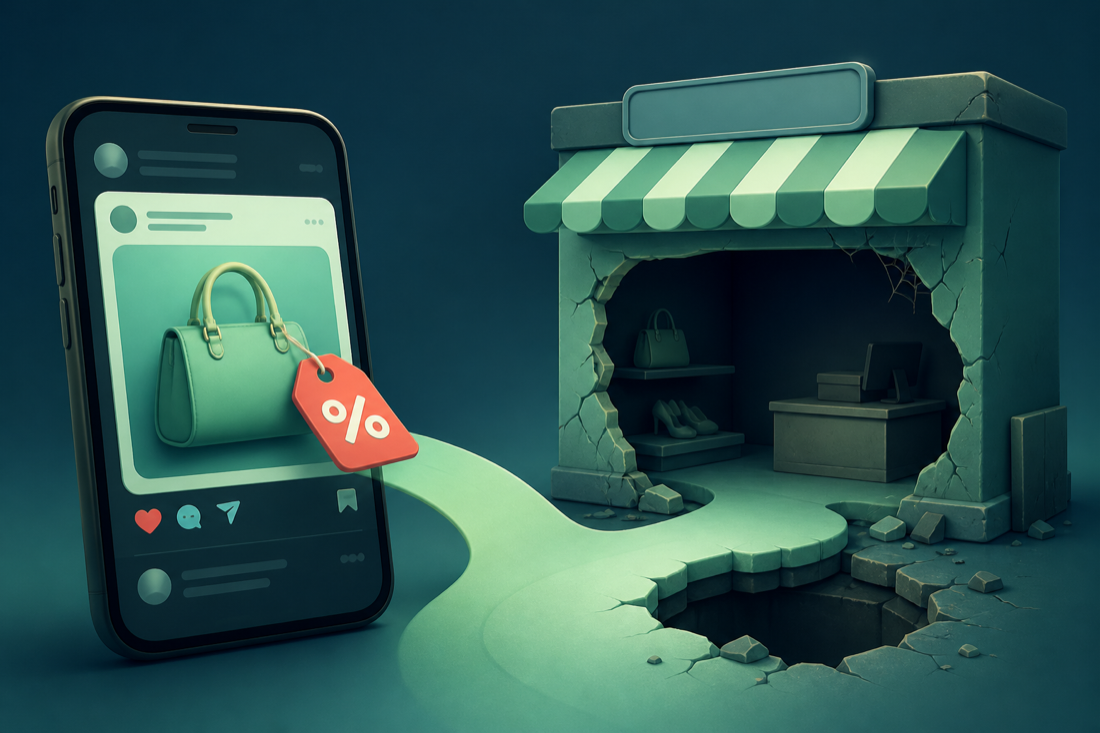
A polished advertisement can borrow product photography and brand styling, then send a buyer to a newly created lookalike store. The checkout may collect money and card data while the promised goods never arrive or differ substantially from the offer.
The FTC reported more than $95 million in 2025 reported losses from purchases that began with social-media advertising. That figure reflects reports, not total harm, but it demonstrates a material and current pattern.
Key findings
What is established and what is not
- A paid placement is not proof that the seller or product was independently vetted.
- Very deep discounts, recently registered domains, copied policies and payment methods with weak buyer protection are useful warning signs.
- Search the seller name with terms such as “scam,” “complaint” or “review,” and pay by a method that permits disputes.
Response and denials
The other side of the record
The reviewed material describes a distributed pattern using changing accounts, numbers and sites. No single identifiable operator or attributable operator denial was located.
Some approaches misuse the identity of genuine retailers, social platforms and payment providers. Those impersonated organisations are not treated as participants; verify any contact through an independently located official channel.
Global Scam Report evaluation
Summary assessment
Active, well-corroborated shopping-scam pattern — high confidence. The assessment concerns deceptive lookalike stores and non-delivery campaigns, not every unfamiliar merchant or discounted product.
Reference record
Sources reviewed
- GovernmentUS Federal Trade Commission · 20 August 2026Are ads on social media vetted or checked for scams?Open source ↗
- GovernmentUS Federal Trade Commission · August 2025A social media ad with super-low prices could be a scamOpen source ↗
- GovernmentUS Federal Trade Commission · November 2025How to avoid an online shopping scam this holiday seasonOpen source ↗
- GovernmentUS Federal Trade Commission · May 2024Spot an ad with a low price on a brand-name product? Think twiceOpen source ↗
- GovernmentUS Federal Trade Commission · February 2025Consumer Sentinel Network Data Book 2024Open source ↗
- GovernmentUS Federal Trade Commission · 10 March 2025Top scams of 2024Open source ↗
- GovernmentUS Federal Trade Commission · May 2025How to avoid a scam — fraud handbookOpen source ↗