Summary
What the record shows
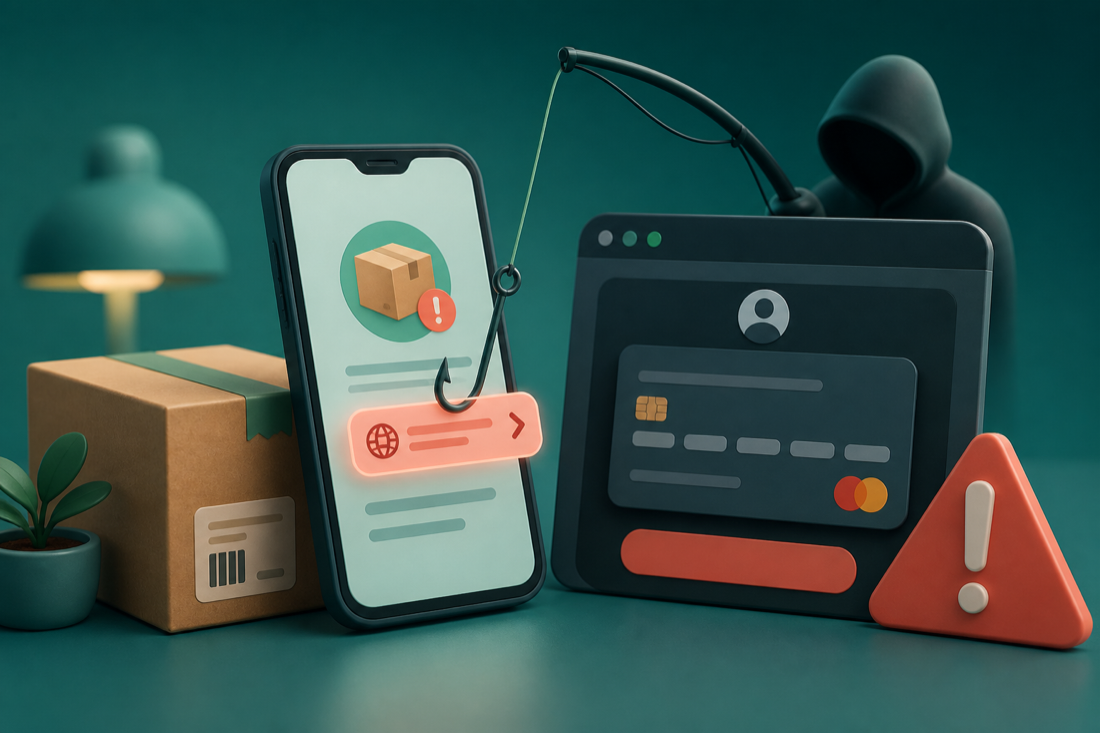
An unexpected message says a parcel cannot be delivered because of an address or fee problem. The embedded link opens a page that resembles a carrier and requests a small redelivery payment or personal details.
The small requested amount lowers suspicion, but the page can capture full card and identity information. A genuine delivery should be checked in the retailer or carrier account reached independently.
Key findings
What is established and what is not
- Do not use an unexpected tracking link; enter a known tracking number on the official site or app.
- Misspellings are not required—modern campaigns can use polished pages and plausible sender names.
- Report the message and monitor any card or account whose details were entered.
Response and denials
The other side of the record
The reviewed material describes a distributed pattern using changing accounts, numbers and sites. No single identifiable operator or attributable operator denial was located.
Some approaches misuse the identity of postal services, couriers and retailers. Those impersonated organisations are not treated as participants; verify any contact through an independently located official channel.
Global Scam Report evaluation
Summary assessment
Active, mass-distributed smishing pattern — high confidence. A legitimate carrier can send alerts, so classification should rest on the destination domain, account record and requested information.
Reference record
Sources reviewed
- GovernmentUS Postal Inspection Service · 19 May 2025Smishing: package-tracking text scamsOpen source ↗
- GovernmentUS Postal Inspection Service · November 2025Holiday scams 2025Open source ↗
- GovernmentUS Postal Inspection Service · Current reporting guidanceReport postal crime and suspicious messagesOpen source ↗
- GovernmentUS Federal Trade Commission · April 2025An unexpected text could be a scamOpen source ↗
- GovernmentUS Federal Trade Commission · April 2025Top text scams of 2024Open source ↗
- GovernmentUS Federal Trade Commission · February 2025Consumer Sentinel Network Data Book 2024Open source ↗
- GovernmentUS Federal Trade Commission · May 2025How to avoid a scam — fraud handbookOpen source ↗